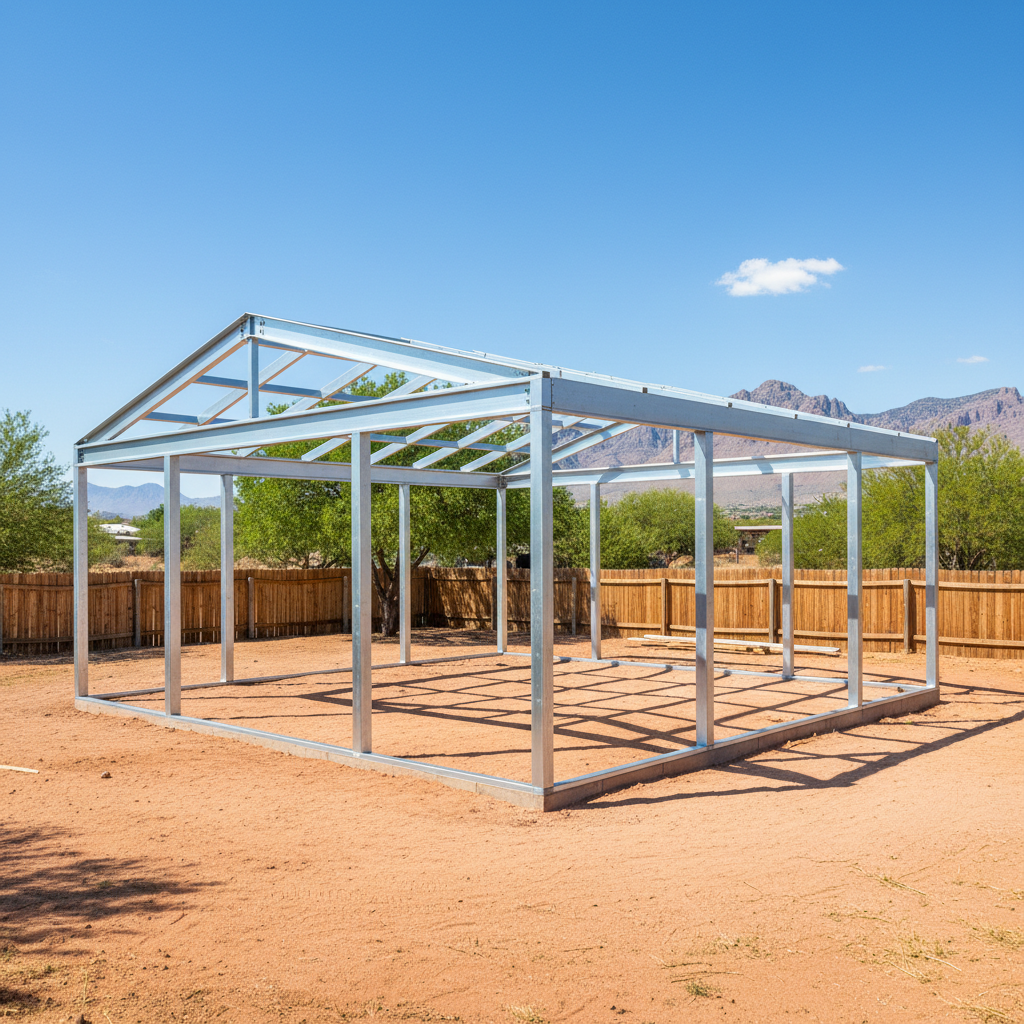
You've put your money into a solid steel frame building right here in Apache Junction – maybe it's for a workshop, an RV cover, or even a new garage. That's a smart move, honestly. Steel is tough, it lasts, and it can really stand up to our wild weather. But just because it's 'tough' doesn't mean you can just build it and forget it. If you want that structure to stick around for as long as it's supposed to, you'll need to give it a little bit of attention. It's not a huge chore, but it's super important, especially with all the heat and dust we get out here.
Making Your Steel Frame Last Longer in the Desert
The biggest enemy for any building in Arizona usually isn't rain; it's the sun, the heat, and all that dust. UV rays just hammer everything, and that intense heat can make small problems much worse. To really get the most years out of your steel frame, you'll want to protect its coatings and make sure everything stays tight and clean.
Think about the paint or galvanized finish on your steel. That's its first line of defense. Keeping it clean really helps. Also, consider adding some shade structures or even using light-colored roofing materials that bounce the heat away. We often see folks in older parts of Apache Junction, like around the Superstition Highlands, who didn't really think about heat reflection, and their buildings just bake. A little planning here goes a long, long way.
What Regular Maintenance Looks Like
This isn't brain surgery, and it won't eat up your entire weekend. Here's what I usually tell my clients after we've finished up an Apache Junction Metal Buildings project:
- Wash it down: Do this at least once a year, maybe twice if we've had a really dusty monsoon season. Grab some mild detergent and a soft brush, or use a pressure washer on a low setting. You want to get rid of all the dust, dirt, and any bird droppings. This stops corrosive stuff from just sitting on the surface and messing up the finish. Pay extra attention to spots under eaves or where water might just sit.
- Check your fasteners: Screws, bolts, rivets – they can all loosen up over time. Our temperature swings cause things to expand and contract, you know? Walk around and take a good look at them. If you spot any that seem loose or are backing out, just snug 'em up. But don't crank them down too hard; you could strip them out.
- Look for rust: Even galvanized steel can rust if its coating gets damaged. Keep an eye out for any red or orange spots, especially around cuts, scratches, or where different materials meet. Catching rust early is, well, key.
- Gutters and downspouts: If your building has these, keep them clear. Clogged gutters mean water spills over and runs down the sides of your building, which can lead to ugly staining and potential corrosion problems.
- Sealant checks: Take a look at any sealants around windows, doors, or where panels join. Our sun can really dry these out and make them crack. If they're cracked, they're not sealing anything, which means water and dust can sneak right in.
Warning Signs of Problems
You don't need to be an expert to spot trouble. Your building will usually tell you when something's not quite right. Here are some red flags:
- Visible rust: Beyond just a tiny spot, if you see rust that's spread out or flaking off, you've got a problem that needs fixing.
- Loose or missing fasteners: Not just one or two, but several in an area, or if panels start to feel wobbly.
- Water leaks: Pretty obvious, right? If you find water inside during a rainstorm, you've got a breach. Could be a loose panel, a failed sealant, or a damaged roof.
- Distorted panels or framing: If a wall looks bowed, a roof sags, or panels are pulling away from the frame, that's a serious structural concern. This isn't common with a well-built steel frame, but it can happen if there's been an impact or a foundation issue.
- Excessive noise: While some creaking and groaning are normal with temperature changes, unusual or constant rattling during wind could mean loose components.
When to Call a Professional
Look, a lot of the regular maintenance, you can totally handle yourself. But there are times when you really need to bring in someone who knows what they're doing. Don't try to be a hero when it comes to the structural stuff. Call us or another reputable contractor if:
- You find significant rust that's more than just a surface spot. Sanding and painting over it might not be enough; you need to understand *why* it's happening.
- You notice any signs of structural damage, like bent beams, sagging purlins, or panels that are seriously pulling away. This could compromise the whole building's safety.
- You have persistent leaks you can't track down or fix yourself. Water getting in can lead to much bigger problems if not handled correctly.
- You're uncomfortable working at heights, especially on a roof. Safety first, always.
- You're seeing widespread fastener failure or issues that suggest the original installation wasn't quite right.
Your steel frame building is an asset, no doubt about it. A little proactive care, especially in our harsh desert environment, will make sure it serves you well for many, many years. It's an investment worth protecting, and usually, a small repair now saves you a much bigger headache and cost down the road.