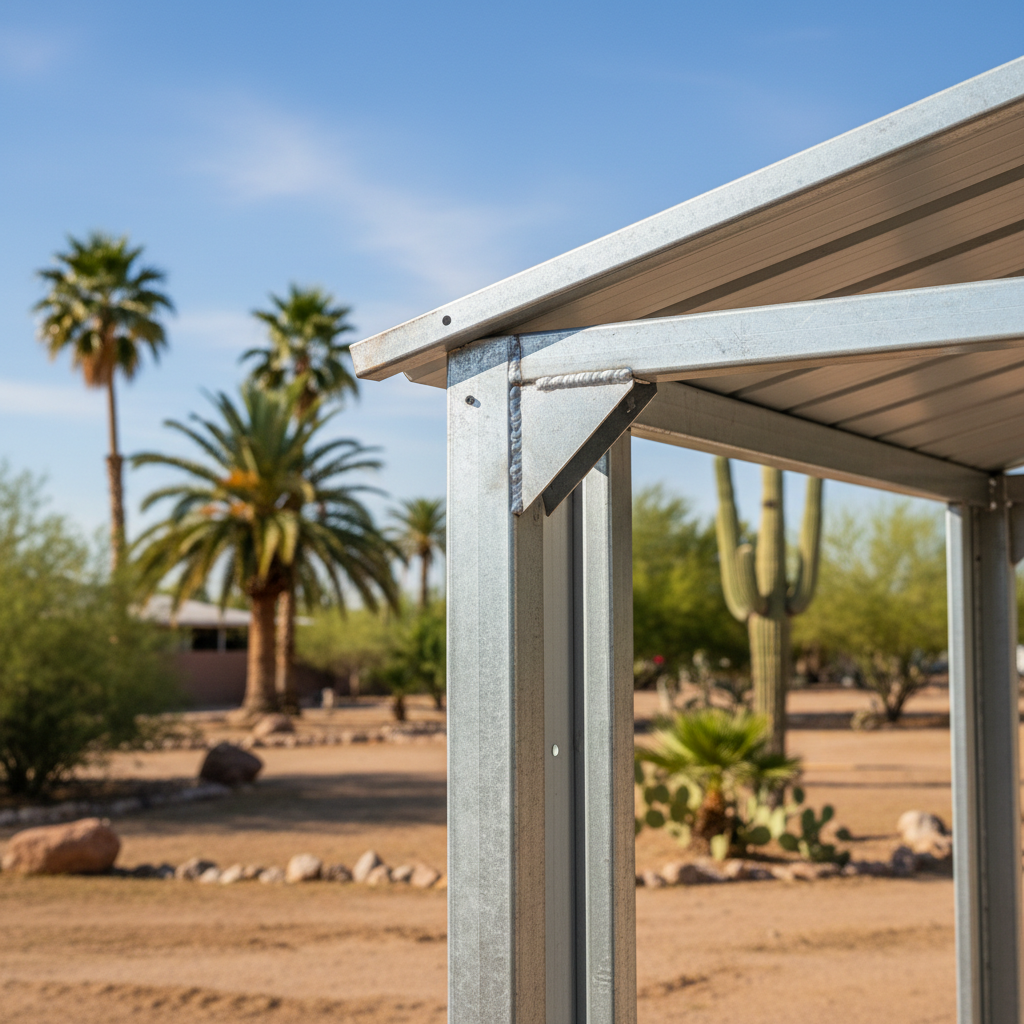
So, you're thinking about putting up a metal shed. Good call. These things are tough, they last forever, and honestly, they beat those flimsy plastic boxes or a wooden shed that'll just rot out in our desert sun. But before you buy a kit or even think about digging, let's chat about what you're really getting into. I've watched plenty of sheds go up around here, and I've got some thoughts on what you can realistically tackle yourself versus when you absolutely need to bring in a pro.
Before You Even Grab a Wrench
First things first: permits. Don't even think about skipping this step. I know, I know, it's a hassle, but Pinal County doesn't mess around. If you build something without a permit and they catch wind of it, you're looking at fines, tear-down orders, and a boatload of headaches. Just check with Pinal County Development Services. They'll tell you what size shed needs a permit, how far it has to be from your property lines, and any other zoning rules. For smaller sheds, maybe under 120 square feet, you might be in the clear, but always double-check. It's just not worth the risk, is it?
Next up, your foundation. This is super important, especially with our caliche soil here in Apache Junction. You can't just plop a metal shed kit on uneven dirt and expect it to stay level or square. It'll shift, twist, and then you'll have doors that don't close right – a real pain. For most metal sheds, you'll want a concrete slab. A solid 4-inch slab with rebar usually does the trick for a storage shed. Now, if you're planning on stashing anything super heavy in there, like a tractor or a welder, you might need a thicker slab or some proper footings. Pouring concrete isn't exactly rocket science, but getting it level, smooth, and sloped correctly for drainage? That takes some skill. If you've never done it before, or if it's a big slab, you might want to call in a concrete crew. They'll get it right the first time, saving you future headaches.
The Build: Where DIY Gets Real
Alright, permits are sorted, your foundation is rock solid, and your shed kit just showed up. Now what? Most metal shed kits actually come with pretty decent instructions. They're usually bolt-together deals, and if you're good with tools and can follow directions, you can probably handle the assembly. Here's what you'll definitely need:
- Basic hand tools: wrenches, sockets, screwdrivers – the usual suspects.
- A good drill with the right bits.
- A level, and I mean a long one, not just one of those tiny torpedo levels.
- A measuring tape.
- Safety gear: gloves and eye protection are non-negotiable.
- A friend or two. Seriously, don't try to put up walls or roof panels by yourself. It's definitely a two-person (or more) job.
The frame itself usually goes together pretty straightforward, kind of like a giant Erector Set. The tricky part for a lot of folks is getting the walls perfectly plumb and the roof panels aligned without any gaps. Our wind out here can be a real nuisance, even on a calm day, so make sure everything is secured as you go. You really don't want a panel catching a gust and flying off. If you're building a bigger shed, say anything over 200 square feet, or if it's a taller one, you might find yourself struggling with the sheer weight and size of the panels. That's when calling in a crew from Apache Junction Metal Buildings, or another local contractor, makes a lot of sense. We've got the equipment and the know-how to get those big pieces up safely and correctly.
When to Call in the Pros (and Why It's Worth It)
Look, I'm all for saving a buck and doing things yourself. But there are some areas where it just makes sense to bring in someone who does this for a living. Electrical work is top of the list. If you want lights, outlets, or anything powered in your shed, hire a licensed electrician. Messing with electricity is dangerous, and doing it wrong can void your insurance or, worse, burn your shed down. That's simply not a DIY job.
Another situation is if you're looking for something more than just a basic kit. Maybe you need a custom size, specific door placements, or a particular type of insulation that's not standard. That's where a custom metal building company really shines. They can design and build exactly what you need, and they'll handle all the heavy lifting, quite literally. Plus, they'll make sure it meets all local codes, which can be a huge relief.
Finally, consider your time and your back. If you're working a full-time job and only have weekends free, a larger shed could easily take you weeks, maybe even months, to put up. A professional crew can often have a shed framed and sheeted in just a few days. Sometimes, the cost of paying someone else is worth it for the speed, their expertise, and not having to spend your precious free time wrestling with metal panels in the Arizona heat. We've seen plenty of folks start a shed project only to get halfway through and realize they're totally in over their heads. Don't be that guy.
So, can you build a metal shed yourself? For smaller, simpler kits, absolutely. But be honest with yourself about your skills, your available time, and how complex the project really is. For anything bigger, or if you want it done fast and done right, don't hesitate to call a local pro. It's an investment, after all, and you want it done right so it lasts for years.