What's the real difference between a metal shed and a wood shed?
Alright, let's get this straight. You're looking at a shed, right? Maybe for storage, a workshop, or just to get some clutter out of the garage. When folks ask me about wood versus metal, I tell 'em it's like comparing a trusty old pickup to a modern work truck. Wood sheds, sure, they've got that classic look, and you can customize 'em easy enough. But they need constant babysitting out here in Apache Junction. That desert sun and the occasional monsoon? They'll warp, rot, and attract termites faster than you can say 'wood preservative.' You'll be painting, sealing, and patching every few years. It's a never-ending chore, honestly.
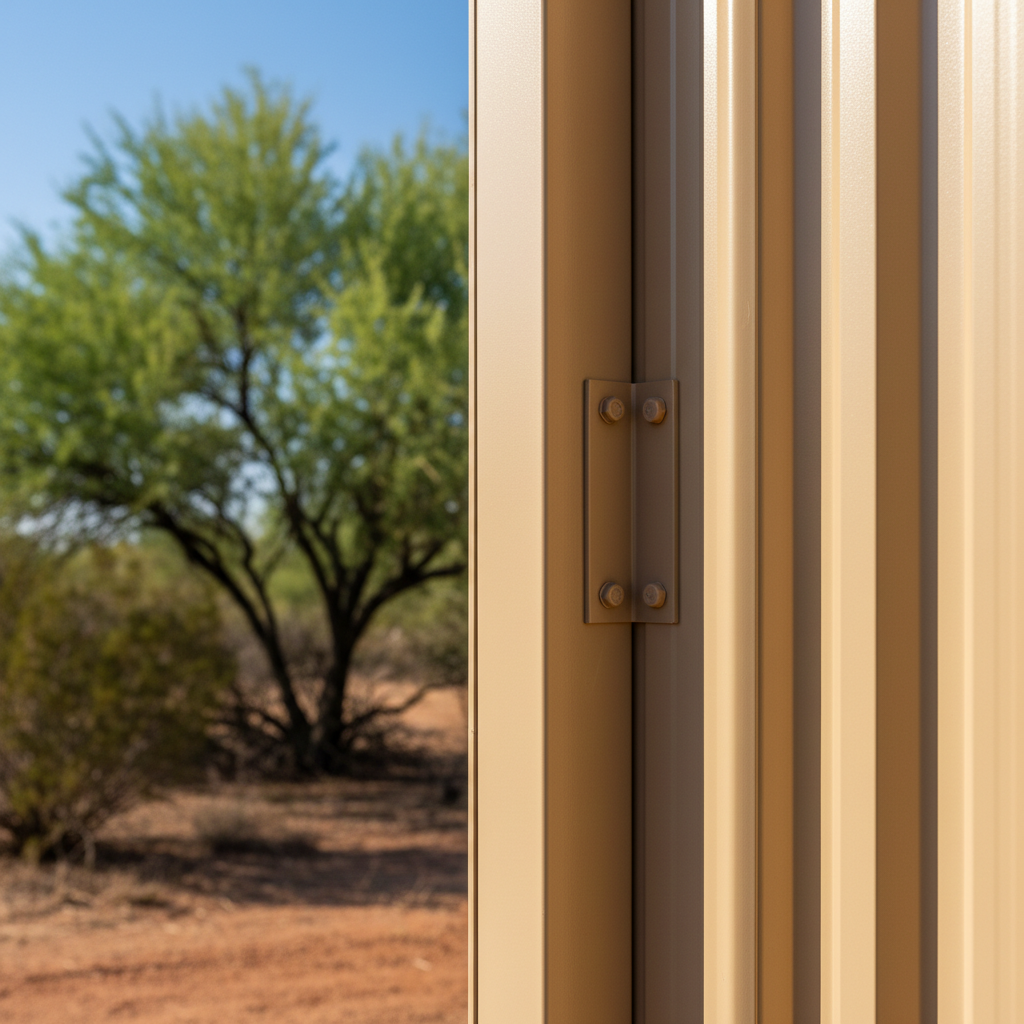
Metal sheds, on the other hand, especially the steel frame ones we build, are tough. They don't care about the sun, they don't rot, and termites? Forget about it. They're practically maintenance-free. You hose 'em down once in a while, maybe check the bolts after a real windy day, and you're good. They're also fire-resistant, which is a big deal when you've got dry brush around your property. Plus, they're generally more secure. A determined thief can get through anything, but a metal wall is a lot harder to kick in than a thin sheet of plywood.
Do I even need a permit for a shed in Apache Junction?
This is one of those questions where the answer is almost always 'yes,' but it depends on a few things. Don't just throw up a shed and hope for the best, because Pinal County or the City of Apache Junction will definitely notice, especially if a neighbor complains. Generally, if your shed is over a certain size – usually 120 square feet – you'll need a building permit. Some places even require permits for smaller sheds if they're going to be on a permanent foundation or have electrical wiring. It's not just about size, though. They'll look at setbacks from your property lines, how it affects drainage, and even the aesthetics sometimes. My advice? Always check with the local planning and zoning department before you even buy the materials. It's a pain, I know, but it saves you a bigger headache and potential fines down the road. We can help you figure out what you'll need for your specific property.
How long do these metal sheds really last in our Arizona climate?
You're asking about longevity, and that's a smart question, especially with our extreme temperatures. A well-built metal shed, particularly one with a galvanized steel frame and good quality metal panels, can last for decades. I'm talking 30, 40, even 50 years with minimal fuss. The key is the quality of the materials and the installation. Cheap, thin metal will dent and rust quicker. But a good, thick gauge steel with a proper coating? That's built to withstand our brutal summers and the occasional dust storm that rolls through. We've put up sheds for folks out near Gold Canyon that are still standing strong after 25 years, looking almost as good as new. The sun fades paint, sure, but the structural integrity stays intact. That's the beauty of steel.
Can I insulate a metal shed to keep it cool in the summer?
Absolutely, and if you plan on spending any time in there during the summer, you'd be crazy not to. A metal shed without insulation is basically an oven out here. The metal absorbs and radiates heat like crazy. You've got a few options. Spray foam insulation is fantastic, seals up all the gaps, and offers great R-value. It's a bit pricier, but it's worth it if you're going to use the shed as a workshop or office. Then there's rigid foam board, which is easier to DIY if you're handy, and fiberglass batts, which are common but need to be protected from moisture. You'll also want to think about ventilation. Ridge vents and gable vents, maybe even a small exhaust fan, will help move that hot air out. Good insulation, proper ventilation, and maybe even a small portable AC unit will make your metal shed a usable space even when it's 110 degrees outside.
What kind of foundation does a metal shed need?
This isn't something to skimp on. The foundation is what keeps your shed stable and square. For smaller, lighter sheds, you might get away with a gravel base or concrete blocks, but I generally don't recommend it for anything substantial or if you're going to have heavy equipment inside. For most metal sheds, especially if it's permitted and you want it to last, a concrete slab is the way to go. It provides a solid, level surface, helps stop moisture from getting in from the ground, and gives you something secure to anchor the shed to. You need to make sure that slab is poured correctly, with proper drainage away from the shed, and that it's thick enough to support the weight. Out here in Apache Junction, with our expansive soils in some areas, sometimes you'll even need to consider a reinforced slab to prevent cracking. Don't cut corners on the foundation; it's literally the groundwork for everything else.
Are metal sheds noisy when it rains or hails?
You're picturing that tinny sound, right? Like a thousand tiny drummers on your roof. It's a fair concern. Uninsulated, single-skin metal sheds can definitely be noisy when it rains, and especially if we get one of those rare hail storms. The good news is, there are ways to quiet that down. Insulation, which we just talked about for temperature control, also acts as a sound dampener. Whether it's spray foam or rigid panels, it'll significantly reduce the drumming sound. Another factor is the type of roof panel. Some panels have ribs or profiles that can help break up the sound waves. If noise is a big concern for you, talk to us at Apache Junction Metal Buildings about insulated roof panels or adding a layer of sound-deadening material during construction. It won't be silent, but it'll be a lot more tolerable than an uninsulated metal box.
Can I customize a metal shed, or are they all just basic boxes?
No, not at all! That's a common misconception. While you can certainly get a basic, functional box, metal sheds are incredibly versatile. You can customize them a lot more than you might think. We're not just talking about color, though you've got a ton of options there to match your house or just stand out. You can add windows, walk-in doors, roll-up garage doors, skylights, and even lean-tos for extra covered storage. Inside, you can frame out interior walls, add shelving, workbenches, electrical outlets, and plumbing. We can design different roof styles too, from traditional gable to single-slope. You're really only limited by your imagination and, of course, your budget. If you've got a specific vision for a workshop, a home gym, or even a small guest house, a metal frame shed can be designed to fit that need perfectly.
What about security for my tools and valuables in a metal shed?
Security is a big one, especially if you're storing expensive tools, equipment, or even just sentimental items. Metal sheds generally offer better security than wood sheds because the walls are harder to breach. But it's not just about the walls. You need to think about the doors and windows. Always opt for sturdy, steel-framed doors with good quality deadbolts. Don't skimp on the locks. If you have windows, consider security bars or impact-resistant glass. You can also add motion-sensor lights, alarms, or even security cameras. Anchoring the shed properly to its foundation is also crucial, so it can't be lifted or easily moved. We can discuss different security features during the design phase to make sure your shed is as secure as possible against any opportunistic thieves looking for an easy target.