Thinking About a Metal Shed? Here's the Deal.
So, you're looking at putting up a metal frame shed. Good idea. They're tough, last forever, and can handle our Arizona sun way better than some of those flimsy wood or plastic kits you see. But before you even think about buying one, you gotta figure out what you're getting into. Is this a weekend warrior project, or are you gonna need some help?
Before You Even Buy a Shed Kit
First things first: permits. Don't skip this. I've seen folks get in a real mess because they thought they could just throw up a shed. Depending on the size and where you're putting it, you'll likely need a permit from Pinal County or the City of Apache Junction. Check with them first. It's usually pretty straightforward for a simple storage shed, but you don't want to find out after the fact that you're in violation. Also, think about your HOA if you've got one. They often have rules about size, color, and placement.
Next, location. Where's this thing going? You need a spot that's relatively level. If it's not, you're going to have to do some site prep, and that's where things can get tricky. Our soil out here, especially the caliche, can be a real bear to dig through. You might hit rock just a few inches down. If you're planning on a concrete slab, which I highly recommend for a good, solid foundation, you'll need to account for that. A good foundation isn't just about keeping your shed stable; it's about keeping moisture out and pests from getting underneath.
Think about access too. Can you get the shed kit to the spot? Are you going to be tripping over sprinkler lines or digging into electrical conduits? Map it all out.
During the Build: What You Can Tackle
Okay, you've got your permits, your site is prepped, and the shed kit is delivered. Now what? Most metal shed kits come with pretty decent instructions. If you're handy with tools, can read a diagram, and have a buddy or two to help, you can absolutely put one of these up yourself. Here's what's usually involved:
- Foundation: If you're doing a gravel base or a simple wood frame floor, that's DIY territory. If you're pouring a concrete slab, that's a different beast. You can form it yourself, but pouring and finishing concrete is an art. If you've never done it, consider hiring a small concrete crew. It's worth it for a level, durable base.
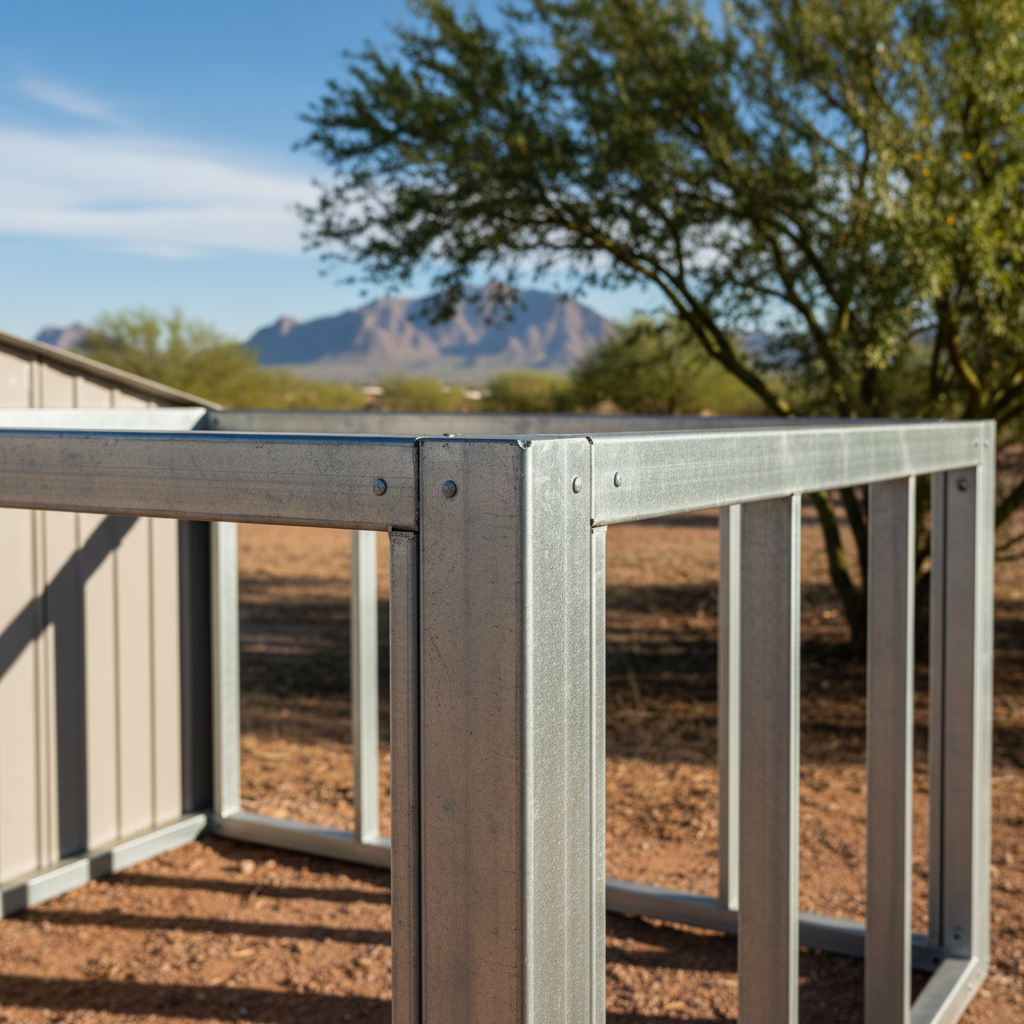
- Frame Assembly: This is like a giant erector set. Lots of bolts, nuts, and following instructions. You'll need a good drill, wrenches, and maybe a step ladder. A second set of hands is crucial, especially when you start putting up the walls and roof trusses.
- Sheeting: Attaching the metal panels to the frame. This is repetitive but not overly difficult. Just make sure everything's square as you go.
- Roofing: Similar to the walls, but you'll be working at height. Safety first!
Where do you call a pro? If you're not comfortable with heights, don't have the right tools, or just don't have the time, that's when you call someone like us at Apache Junction Metal Buildings. We do this stuff all the time. We can handle the whole thing, from site prep to the final screw. Especially if you're looking at a bigger shed, say 12x20 or larger, or something custom, it's often more efficient and safer to bring in the experts.
After the Build: Keeping It Right
Once your shed is up, it's pretty low maintenance, which is one of the big advantages of metal. But